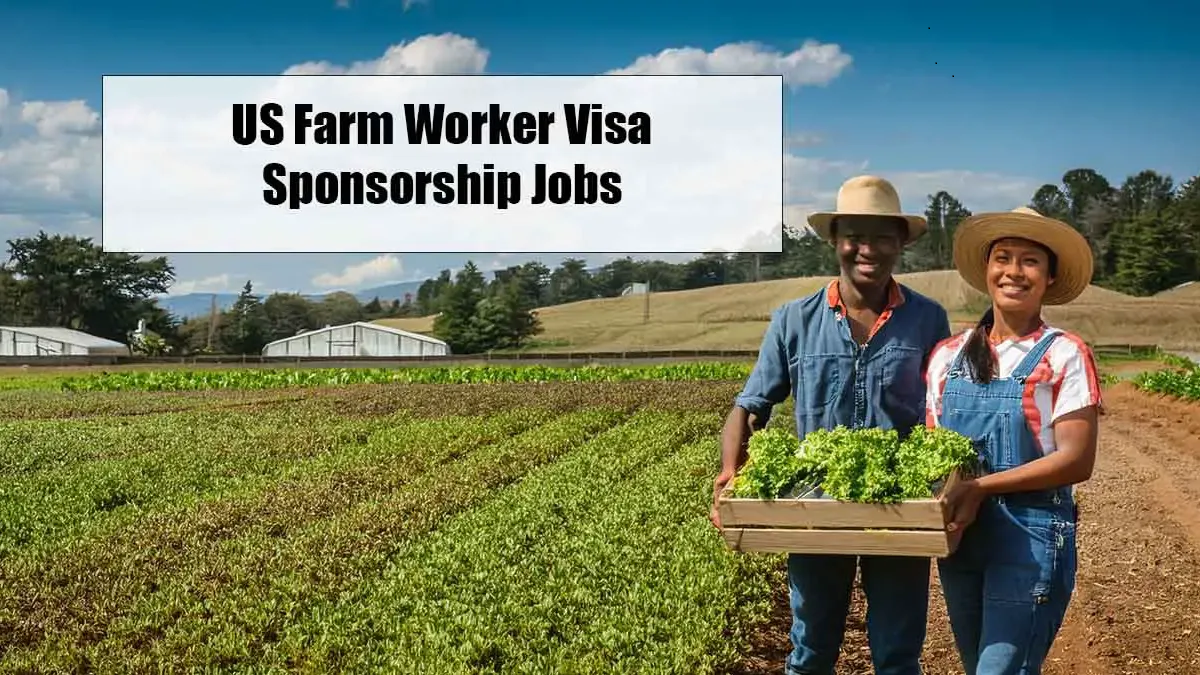
Are you dreaming of working in farmlands of the United States, picking fresh fruits under the sun, or helping with harvest seasons? If you’re from abroad and don’t have a college degree, there’s great news: the H-2A Temporary Agricultural Workers Visa program offers opportunities for seasonal farm jobs with employer-sponsored visas. No advanced education is required just physical stamina, a willingness to work hard, and eligibility from your home country.
I will cover everything you need to know about H-2A visas for seasonal farm work in 2025 and beyond, including eligibility, the application process, job types, benefits, and tips for landing a sponsored position.
What is the H-2A Visa Program?
The H-2A visa is a non-immigrant visa that allows U.S. agricultural employers to hire foreign workers for temporary or seasonal agricultural jobs when there aren’t enough domestic workers available. Managed by the U.S. Department of Labor (DOL), U.S. Citizenship and Immigration Services (USCIS), and the Department of State, this program addresses labor shortages in farming, especially during planting, cultivating, and harvesting periods.
Key features:
- Temporary/Seasonal Only: Jobs typically last up to 10 months (average 6 months), tied to seasonal needs like crop cycles.
- No Degree or Extensive Experience Required: Most roles are entry-level, focusing on physical labor. Basic education and good health are usually sufficient.
- Employer Sponsorship: The U.S. farm employer handles the visa petition—no self-sponsorship.
- No Annual Cap: Unlike some visas, there’s no limit on H-2A visas, making it more accessible.
This program is ideal for workers from developing countries seeking U.S. experience and fair wages.
Who is Eligible for an H-2A Visa?
Worker Requirements
- Be a national of an eligible country (list updated annually; as of late 2024, over 80 countries qualify, including Mexico, Jamaica, South Africa, Guatemala, Honduras, and many others in Latin America, Africa, Europe, and Asia).
- Intend to perform temporary agricultural work.
- Have a valid job offer from a U.S. employer.
- Plan to return home after the job ends (demonstrated by ties to your country).
No formal degree is needed—roles prioritize reliability and physical ability over qualifications.
Eligible Countries (2024-2025)
The Department of Homeland Security designates countries based on factors like low overstay rates and cooperation on removals. Recent lists include:
- Mexico, Jamaica, Guatemala, Honduras, El Salvador, South Africa, Colombia, Ecuador, Peru, and many more.
- New additions in recent years: Belize, Bolivia, Haiti, etc.
Check the latest USCIS or Federal Register notice for updates, as designations are valid for one year.
If your country isn’t listed, USCIS may approve on a case-by-case basis if it’s in U.S. interests.
Types of Seasonal Farm Jobs Available
H-2A jobs cover a wide range of hands-on agricultural work:
- Fruit and Vegetable Picking/Harvesting: Common entry-level roles (e.g., apples, berries, citrus, tomatoes).
- Crop Planting and Cultivation: Preparing fields, planting seeds, weeding.
- Livestock Care: Feeding, herding (less common but available).
- General Farm Labor: Packing produce, irrigation, equipment operation.
- Nursery/Greenhouse Work: Planting and maintaining plants.
Jobs are physically demanding, often outdoors in varying weather, with long hours during peak seasons. Wages are competitive—typically $15–$20+ per hour (2025 Adverse Effect Wage Rate varies by state, e.g., higher in California).
Many employers provide housing, transportation reimbursement, and meals at low or no cost.
Benefits of H-2A Farm Work
- Guaranteed Minimum Wage: Employers must pay the highest of federal/state minimum, prevailing wage, or AEWR (often higher to protect U.S. workers).
- Worker Protections: Free housing (meeting safety standards), transportation to/from home country (after completing contract), and 75% of contract hours guaranteed.
- No Recruitment Fees: Employers cannot charge illegal fees; workers are protected from exploitation.
- Return Opportunities: Many workers return seasonally, building long-term relationships with employers.
- Cultural Experience: Live in rural America, improve English, and send remittances home.
How to Apply: Step-by-Step Process
The process starts with the employer, not the worker. Here’s how it works:
- Employer Files for Labor Certification:
- Submits job order to State Workforce Agency and DOL (60–75 days before need).
- Recruits U.S. workers first.
- Gets Temporary Labor Certification if shortage proven.
- Employer Petitions USCIS:
- Files Form I-129 for H-2A workers.
- Worker Applies for Visa:
- Once approved, apply at U.S. Embassy/Consulate in your country.
- Interview required; bring job contract, passport, and proof of ties home.
- Pay visa fee (around $205 as of 2025).
- Enter the U.S.:
- Arrive and start work on approved dates.
For Workers: How to Find Sponsored Jobs
- Search on seasonaljobs.dol.gov (official DOL site listing H-2A job orders).
- Check sites like Indeed, ZipRecruiter, or specialized platforms (e.g., seasonalworkvisa.com listings).
- Contact recruiters or associations in your country that connect with U.S. farms.
- Network via past H-2A workers or agricultural agencies.
- Apply early—peak seasons vary (e.g., spring for planting, fall for harvest).
Beware of scams: Legitimate employers don’t charge upfront fees.
Challenges and Tips
- Physical Demands: Be prepared for hard work in heat/cold.
- Isolation: Many farms are rural.
- Returning Workers Preferred: Experience helps for future seasons.
- Tip: Build a good record—complete contracts to increase rehire chances.
Final Thoughts: Is This Opportunity for You?
The H-2A program opens doors to legal, paid work in U.S. agriculture without needing a degree. It’s a chance to earn significantly more than in many home countries, gain skills, and experience American life. With ongoing labor shortages, demand remains high in 2025.
Start by checking if your country is eligible and browsing job listings on official sites. Consult USCIS.gov or DOL for the latest rules.